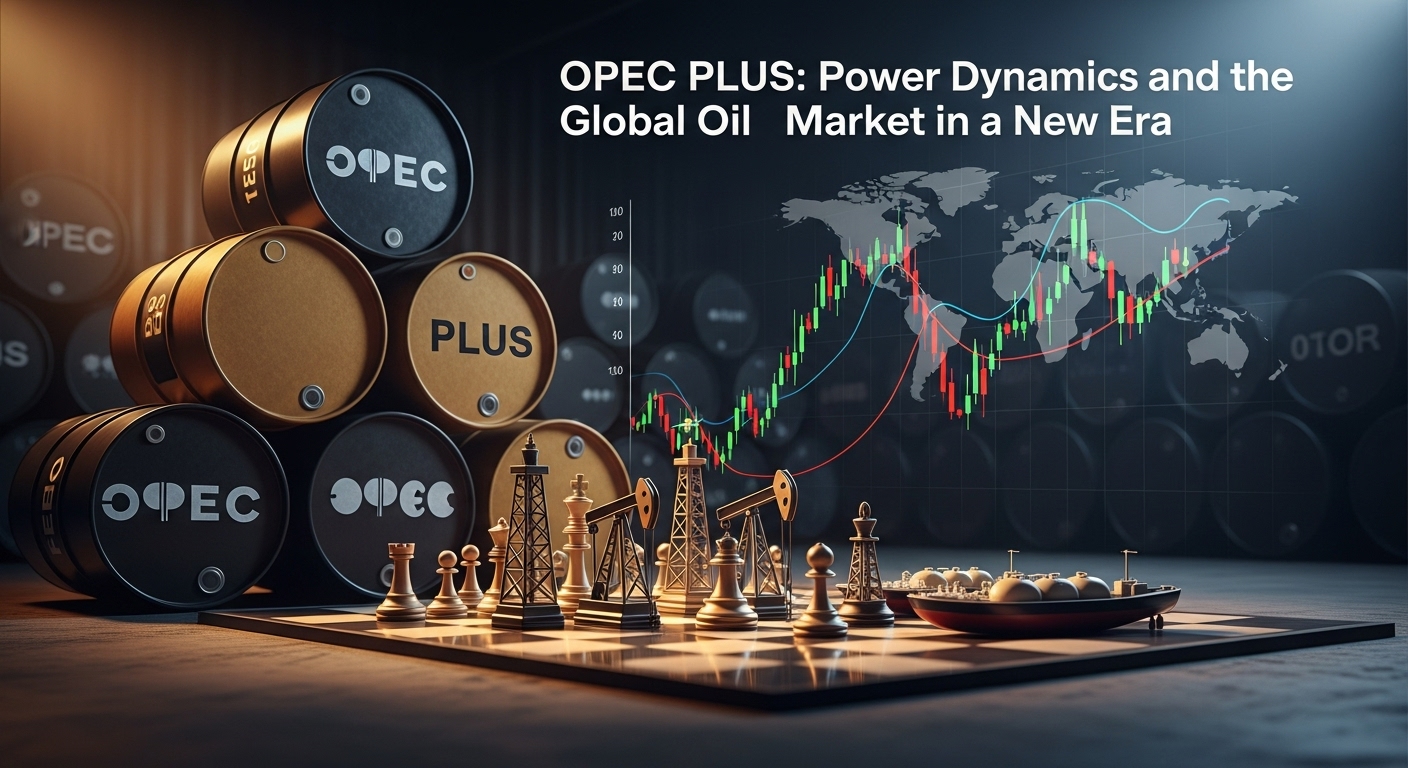
OPEC Plus: Dinamika Kekuasaan dan Pasar Minyak Global di Era Baru
Analisis komprehensif tentang peran OPEC Plus dalam mengatur pasar minyak global, ketegangan internal, dan tantangan yang dihadapi di tengah perubahan lanskap energi
Tim Analisis Energi
Analis Energi Senior
Organization of the Petroleum Exporting Countries (OPEC) dan sekutunya yang dikenal sebagai OPEC Plus telah menjadi kekuatan dominan dalam pasar minyak global selama lebih dari setengah abad. Namun, di era disrupsi teknologi, perubahan geopolitik, dan transisi energi, peran dan efektivitas kartel ini menghadapi tantangan yang belum pernah terjadi sebelumnya. Memahami dinamika internal OPEC Plus dan bagaimana organisasi ini beroperasi sangat penting untuk menganalisis masa depan pasar energi global.
Anatomi OPEC Plus: Koalisi yang Kompleks
OPEC didirikan pada tahun 1960 oleh lima negara penghasil minyak: Iran, Iraq, Kuwait, Saudi Arabia, dan Venezuela. Seiring waktu, membership expanded hingga mencapai 13 negara pada puncaknya, meskipun beberapa member seperti Indonesia, Qatar, dan Ecuador telah meninggalkan organisasi pada berbagai waktu.
Formation OPEC Plus pada 2016 menandai evolusi signifikan. Facing persistently low prices setelah oil price crash 2014-2016, OPEC menyadari bahwa mereka tidak lagi memiliki market power yang sufficient untuk stabilize prices sendiri. Alliance dengan 10 non-OPEC producers, dipimpin oleh Russia, menciptakan coalition yang collectively controls sekitar 40% dari global oil production dan holds majority dari world’s proven reserves.
Struktur ini menciptakan dynamic yang unik. Saudi Arabia, sebagai largest OPEC producer dengan spare capacity terbesar, traditionally played role sebagai “swing producer” - adjusting production untuk balance market. Russia, sebagai third largest producer global dan largest non-OPEC producer, brings significant volume tetapi juga different incentives dan constraints dibanding traditional OPEC members.
Cooperation antara Saudi Arabia dan Russia - kadang-kadang characterized sebagai “bromance” antara Crown Prince Mohammed bin Salman dan President Vladimir Putin - telah menjadi cornerstone dari OPEC Plus cohesion. Namun, relationship ini complex dan tidak tanpa tension, seperti yang terlihat dalam dramatic breakdown pada Maret 2020 ketika negotiations collapsed, triggering price war brutal yang saw oil prices briefly turn negative.
Mekanisme Market Management
Core mission OPEC Plus adalah stabilizing oil markets dan ensuring “fair prices” - though what constitutes “fair” is subjective dan varies among members. Organization achieves ini primarily through managing production levels, implementing “production cuts” when supply exceeds demand dan prices are low, atau increasing production when market is tight.
Decision-making process adalah complex dan often contentious. Meetings - whether regular semi-annual gatherings atau emergency sessions - involve intense negotiations among members dengan different interests. Each country has production quota based on berbagai factors including reserves, capacity, dan historical production levels. Compliance dengan quotas adalah perennial issue, dengan beberapa members regularly exceeding their allocated levels.
Saudi Arabia often bears disproportionate burden dari cuts, reducing production lebih dari others untuk stabilize market. Ini reflects both its larger spare capacity dan strategic calculation bahwa stable, higher prices dalam long term serve its interests better daripada maximizing short-term production. Namun, ini juga source of resentment ketika others tidak comply dengan commitments mereka.
Communication strategy OPEC Plus juga crucial element dari market management. Signals dari key players - terutama Saudi oil minister atau Russian deputy prime minister - can move markets. Announcement dari meeting results, production changes, atau even informal comments carefully calibrated untuk influence market expectations dan trader behavior.
Dalam recent years, organization increasingly adopted “data-driven” approach, claiming decisions based pada market fundamentals seperti inventory levels, demand forecasts, dan spare capacity. Namun, critics argue bahwa geopolitical considerations dan individual member interests often trump pure market logic.
Ketegangan Internal dan Challenge of Unity
Maintaining cohesion among diverse members dengan competing interests adalah constant challenge. Countries differ dramatically dalam terms of economic development, political systems, fiscal needs, dan production capacities. These differences create inherent tensions bahwa periodically threaten unity.
Venezuela, once among OPEC’s most influential members, has seen production collapse dari over 3 million barrels per day (bpd) pada early 2000s to below 700,000 bpd, hasil dari economic mismanagement, underinvestment, dan U.S. sanctions. Despite exemption dari production cuts, country struggles untuk maintain bahkan levels reduced ini. Iran, similarly, faces massive production losses karena sanctions, meskipun retains huge potential jika restrictions lifted.
Libya dan Nigeria regularly seek exemptions dari cuts karena domestic instability yang already limits their production. Angola frustrated dengan quotas telah left OPEC pada 2024. Iraq, dengan vast reserves dan desperate need untuk revenue untuk reconstruction, frequently exceeds its quota, creating friction dengan Saudi Arabia dan others who honor commitments.
UAE juga source of tension, having pushed untuk higher baseline production levels, arguing bahwa quotas based pada outdated production capacities. Dispute ini temporarily resolved tetapi underlying tensions remain, dengan UAE seeking untuk maximize production dan monetize reserves while global demand exists.
Different fiscal breakeven prices - oil price needed untuk balance government budgets - create divergent incentives. Saudi Arabia dan UAE, dengan lower breakeven points dan larger financial buffers, can afford untuk cut production untuk support prices. Countries seperti Nigeria, Angola, atau Algeria, dengan higher breakeven prices dan urgent fiscal needs, have stronger incentive untuk maximize production regardless of quotas.
Russia: Uneasy Partner
Russia’s participation dalam OPEC Plus transformed organization’s market power tetapi also introduced complex dynamics. As non-member ally daripada full member, Russia maintains independence sementara coordinating dengan OPEC. This arrangement provides flexibility tetapi also creates uncertainty.
Russian oil industry structured differently dari Gulf Arab states. Instead of state-owned National Oil Companies dominating, Russia has multiple private dan semi-private producers seperti Rosneft, Lukoil, dan Gazprom Neft. Implementing production cuts requires coordination dengan these companies, yang sometimes push back terhadap cuts yang affect their revenues dan market share.
Geopolitical factors significantly complicate Russia’s role. Western sanctions imposed setelah annexation of Crimea pada 2014 dan expanded dramatically after invasion of Ukraine pada 2022 have reshaped Russian oil industry dan trade flows. G7 price cap pada Russian oil attempts untuk limit revenues while keeping oil flowing untuk avoid market disruption, creating complex situation bahwa affects Russia’s calculus dalam OPEC Plus discussions.
Russia historically reluctant untuk implement deep atau prolonged cuts, preferring untuk maintain production dan protect market share. Agreement untuk cooperate often fragile dan subject untuk breakdown ketika interests diverge too sharply, seperti yang terjadi pada March 2020. Trust deficit antara Russia dan Saudi Arabia periodically surfaces, requiring careful diplomatic management.
Namun, both sides recognize mutual benefits dari cooperation. Saudi Arabia gains Russia’s volumes untuk amplify impact dari production changes. Russia gains dari more stable dan higher prices daripada might exist dalam free-for-all market. Neither wants return untuk price volatility yang characterized pre-OPEC Plus era.
Shale Revolution dan U.S. Factor
American shale revolution fundamentally altered global oil market dynamics dan posed existential challenge untuk OPEC’s market power. U.S. oil production more than doubled dari around 5 million bpd pada 2008 to over 13 million bpd by 2020, transforming America dari major importer to net exporter.
Shale oil’s characteristics different dari conventional production. Wells decline rapidly tetapi can be brought online quickly. Production highly responsive untuk price signals - increasing when profitable, declining when prices drop. Capital discipline relatively weak historically, dengan industry producing through downturns untuk maintain market share dan cover debt service.
This created cat-and-mouse game antara OPEC Plus dan shale producers. Ketika OPEC Plus cuts production untuk support prices, higher prices incentivize shale production, offsetting cuts dan preventing sustained price increases. Ketika OPEC Plus increases production untuk pressure prices dan hurt shale economics, mereka simultaneously damage their own revenues.
Saudi Arabia’s brief experiment dengan flooding market pada 2014-2015 specifically targeted shale producers, hoping untuk render them uneconomical. Strategy failed - many shale companies survived, emerging more efficient dan resilient. Repeat attempt pada 2020 also unsuccessful dalam fundamentally changing shale landscape.
American political dimension adds complexity. U.S. tidak participate dalam OPEC Plus, obviously, dan U.S. government tidak directly control production levels seperti OPEC members do. Namun, U.S. administrations periodically pressure Saudi Arabia untuk increase atau decrease production depending on domestic political considerations, particularly around elections ketika gasoline prices salient untuk voters.
This dynamic creates frustration pada both sides. Saudis resent being expected untuk stabilize markets dan manage prices ketika U.S. producers free ride pada those efforts, increasing production ketika prices rise. American politicians criticize OPEC untuk “manipulating” prices, especially ketika cuts lead untuk higher gasoline prices domestically.
Price Volatility dan Market Shocks
Despite OPEC Plus’s best efforts, oil market remains subject untuk dramatic price swings. COVID-19 pandemic provided stark illustration dari market’s vulnerability untuk demand shocks. Lockdowns dan travel restrictions caused unprecedented collapse dalam demand, dengan oil prices briefly turning negative untuk first time dalam history pada April 2020.
OPEC Plus responded dengan historically large production cuts - initially 9.7 million bpd, later adjusted - yang stabilized market tetapi also tightened inventories. Ketika demand recovered faster daripada expected dan supply remained constrained, prices surged, reaching over $120 per barrel untuk Brent pada 2022.
Russia’s invasion of Ukraine introduced major geopolitical risk premium. Fears tentang supply disruptions dari major producer, combined dengan sanctions dan voluntary boycotts dari Russian oil by some buyers, created severe market anxiety. Actual physical supply disruptions were less severe daripada feared karena oil continuing untuk flow, albeit through different channels dan often at discounted prices.
These episodes highlight fundamental challenge: balancing market stability dengan responsiveness untuk changing conditions. React too slowly untuk demand changes, dan prices overshoot, creating economic damage. React too quickly atau aggressively, dan market becomes even more volatile. Finding right calibration adalah art as much as science.
Speculative traders dan financial markets amplify volatility. Paper market untuk oil - futures, options, derivatives - dwarfs physical market dalam terms of volume traded. Sentiment shifts, geopolitical headlines, atau macroeconomic data can trigger massive position changes yang move prices independent of physical supply-demand fundamentals.
Strategic Petroleum Reserves dan Government Intervention
Major consuming countries maintain Strategic Petroleum Reserves (SPR) untuk cushion against supply disruptions. U.S. SPR, largest in world, was drawn down significantly selama 2022 - releasing roughly 180 million barrels - untuk combat high prices driven by Ukraine war.
This unprecedented release essentially positioned U.S. government as swing producer, countering OPEC Plus production restraint. Effectiveness debatable - prices remained elevated, though arguably would have been higher without release. Announcement dari eventual refill provided floor untuk prices, giving OPEC Plus confidence untuk maintain restrained approach.
China also increasingly uses government reserves untuk influence markets, buying untuk strategic stockpiles when prices low dan potentially releasing when prices high. This adds additional layer dari complexity untuk market management, dengan governments playing active roles alongside OPEC Plus dan commercial actors.
Coordination - atau lack thereof - antara consuming countries juga factor. International Energy Agency theoretically coordinates SPR releases among members, tetapi individual countries increasingly acting unilaterally based on domestic political pressures. This fragmentation reduces effectiveness dari collective action.
Peak Demand Narrative dan Long-Term Outlook
Growing conviction tentang eventual peak dalam oil demand profoundly affects OPEC Plus strategy dan member incentives. If demand will plateau dan then decline, monetizing reserves becomes more urgent. This creates pressure untuk maximize production dan market share rather daripada restraining production untuk support prices.
Different members approaching this challenge differently. Saudi Arabia investing heavily dalam downstream - refining dan petrochemicals - dan diversifying economy through Vision 2030 program. UAE similarly diversifying, positioning Dubai sebagai global trade dan services hub. Kuwait dan Qatar leveraging gas alongside oil.
Other members dengan fewer alternatives atau weaker governance face bleaker prospects. Venezuela’s economic collapse cautionary tale. Nigeria’s inability untuk translate oil wealth into broad-based development despite decades of production illustrates governance challenges. Angola’s departure dari OPEC partly reflects frustration bahwa organization’s approach doesn’t serve its interests dalam world where demand growth slowing.
Russia’s calculus complicated by sanctions dan need untuk find new markets untuk oil previously flowing to Europe. “Pivot to Asia” requires massive infrastructure investments dan accepting lower prices. Technological isolation dari Western oilfield services companies threatens long-term production capacity.
For OPEC Plus as institution, peak demand narrative raises existential questions. If coordination primarily about managing ascent towards ever-higher production levels, organization functioned reasonably well. Managing managed decline toward lower production shares dalam shrinking market far more difficult proposition. Incentives untuk cooperate weaken when fighting over shrinking pie.
Environmental Pressures dan “Social License”
Beyond market fundamentals, OPEC Plus increasingly faces pressure over climate change dan environmental impact. Major oil companies - including those operating dalam member countries - facing shareholder activism, ESG investment criteria, dan demands untuk transition strategies.
This pressure diferentially affects members. International oil companies (IOCs) operating dalam Gulf states under production-sharing agreements feeling more pressure dari Western investors daripada National Oil Companies (NOCs) directly controlled by governments. Some NOCs, however, also beginning untuk feel pressure, especially ketika seeking untuk raise capital dalam international markets.
Response dari OPEC members generally emphasizes several points: oil demand akan remain substantial untuk decades, developing countries need affordable energy untuk growth, technology such as carbon capture dapat mitigate emissions, dan responsibility untuk climate change should not fall solely pada producers.
“Common but differentiated responsibilities” argument - bahwa developed countries responsible untuk most historical emissions should lead mitigation efforts - resonates strongly dalam OPEC countries, many of which are developing nations themselves. They reject framing bahwa positions them as villains untuk producing resource bahwa world economy remains dependent upon.
Some OPEC members, particularly Gulf states, investing dalam renewable energy dan positioning themselves for potential hydrogen economy. Saudi Arabia announcing massive green hydrogen projects, UAE hosting COP28 climate conference. Critics view these efforts as greenwashing; proponents argue they demonstrate adaptation untuk changing landscape.
Technological Change dan Operational Efficiency
While much attention focuses pada electric vehicles dan renewable energy threatening oil demand, technological change within oil industry itself affects OPEC Plus dynamics. Advances dalam extraction technology, particularly enhanced oil recovery techniques, allowing producers untuk extract more dari existing fields dan extending productive life dari aging reservoirs.
Digital technologies - AI, machine learning, IoT sensors, advanced data analytics - optimizing production operations, reducing costs, dan improving efficiency. This particularly relevant untuk members dengan mature fields needing technology untuk maintain production.
However, access untuk cutting-edge technology varies. Western sanctions limit Russia’s dan Iran’s access untuk advanced oilfield services dan equipment. This technology gap potentially widening, affecting long-term production capacities dan costs for sanctioned members.
National Oil Companies generally less technologically advanced daripada International Oil Companies, though gap narrowing. Saudi Aramco widely regarded as world-class operator, tetapi other OPEC NOCs lag in technical capabilities. This affects members’ abilities untuk maximize recovery dari reserves dan compete dalam increasingly competitive global market.
Future of OPEC Plus: Adaptation or Irrelevance?
Looking forward, OPEC Plus faces fundamental choice: adapt untuk new energy reality atau risk becoming increasingly irrelevant. Several scenarios possible:
Managed Decline Scenario: Organization continues koordinating production cuts dalam attempt untuk manage orderly decline as demand eventually peaks. Success depends pada maintaining unity as incentives untuk cooperation weaken. Members mungkin increasingly defect untuk maximize individual production while demand exists.
Market Share Battle: Cohesion breaks down as members prioritize capturing market share over price stability. This could trigger price war bahwa ultimately damages all producers, potentially accelerating transition away dari oil by making alternatives more economically competitive.
Pivot to Gas: Organization refocuses coordination around natural gas, which expected untuk play larger role dalam energy mix longer daripada oil. This leverages existing institutional structures tetapi requires including different set of major producers dan addressing LNG market’s different characteristics.
Diversified Energy Organization: OPEC Plus evolves into broader energy cooperation forum, encompassing renewable energy development, hydrogen, carbon capture, dan other technologies. This more ambitious transformation potentially mais viable long-term tetapi requires members untuk move beyond oil-centric mindset.
OPEC Plus remains formidable force dalam global oil market, tetapi facing unprecedented challenges. Organization’s ability untuk adapt untuk rapidly changing energy landscape akan determine whether it remains relevant dalam coming decades atau fades into history sebagai relic dari fossil fuel era. Balancing interests dari diverse membership, responding untuk technological change, managing geopolitical tensions, dan navigating energy transition semua simultaneously requires deft diplomacy dan strategic vision. Whether current leadership up untuk challenge akan shape trajectory dari global energy markets untuk years to come.
Komentar